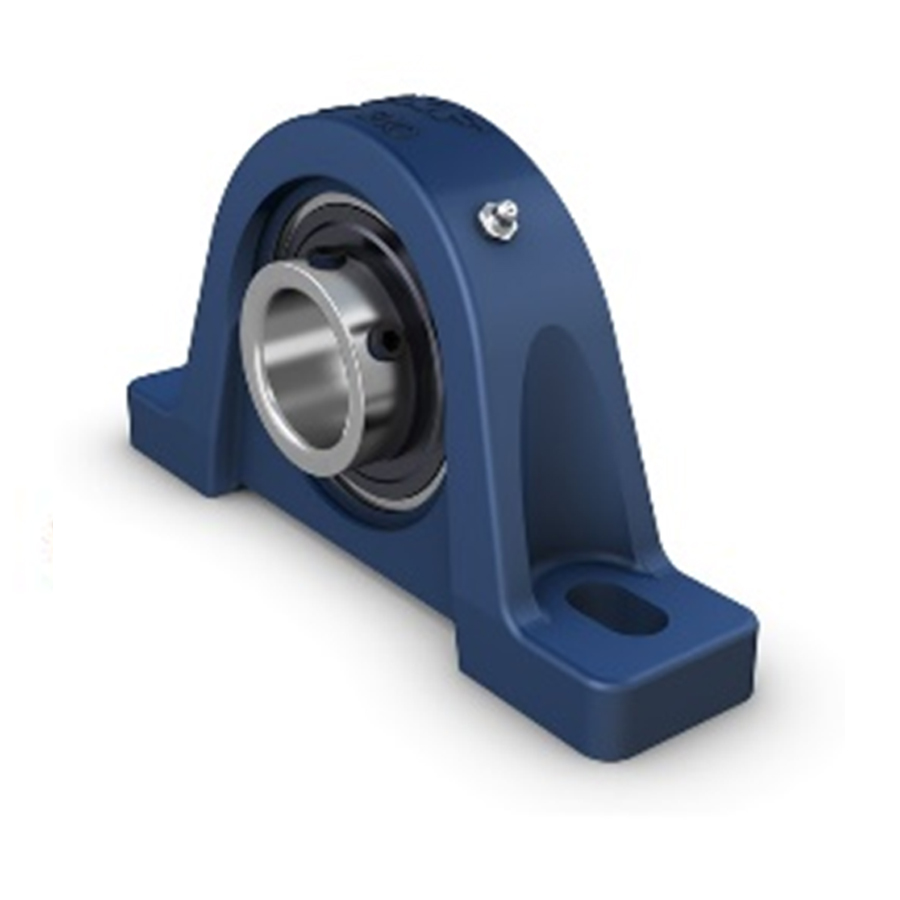
The “UCP” designation is actually a code: the UC refers to the insert bearing (the part that spins), and the P refers to the “Pillow” or pedestal housing. These are designed to support a rotating shaft that runs parallel to the surface where the housing is bolted down.
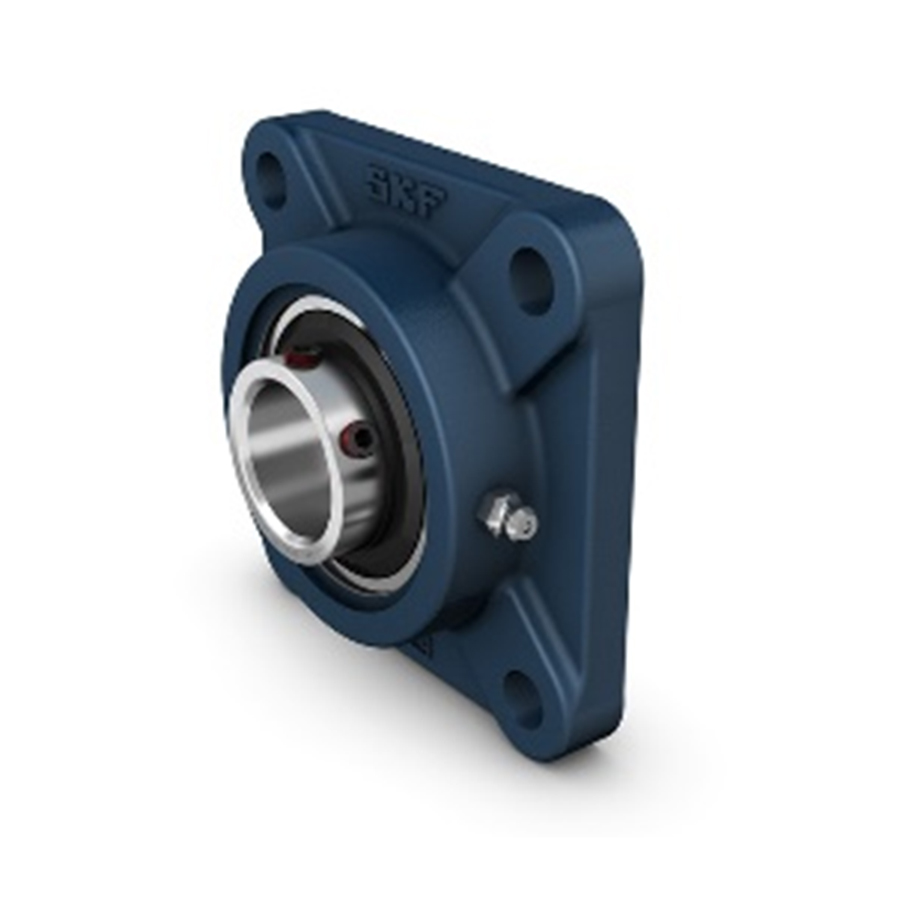
A UCF Bearing is a square flanged bearing unit. While the UCP bearing we discussed earlier sits on a “pillow” or pedestal, the UCF bearing is designed to be bolted onto a vertical side wall or a frame.
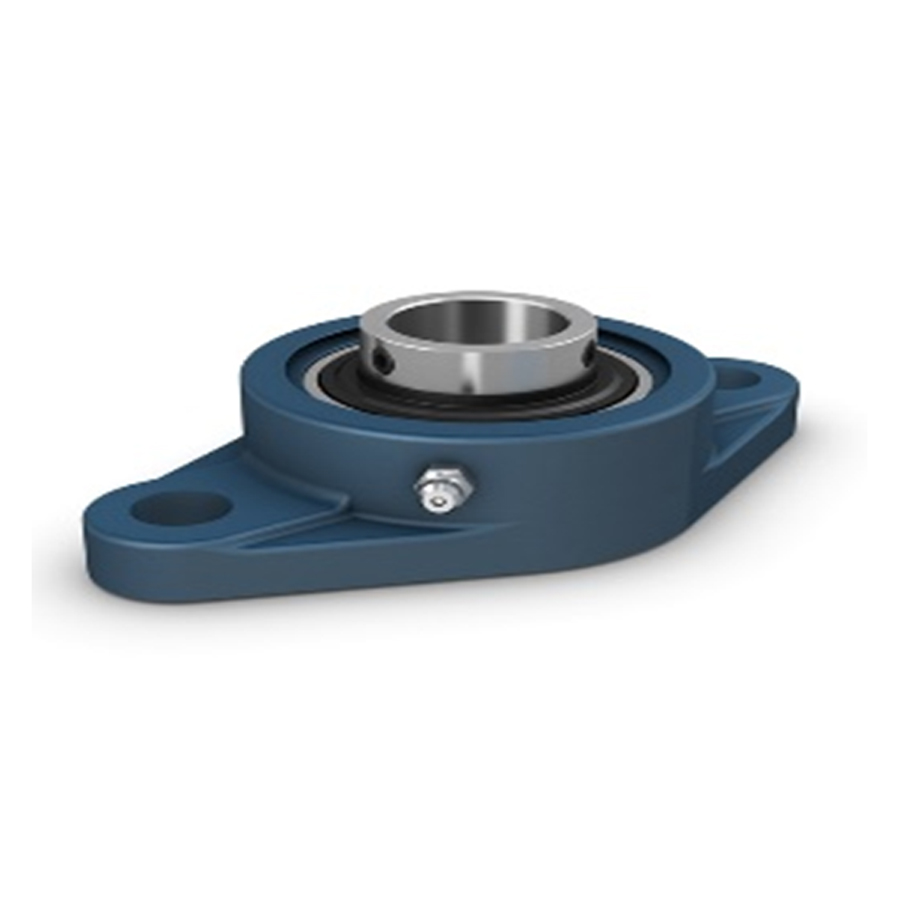
It is nearly identical in function to the UCF (square) bearing, but instead of a square housing with four holes, it has an oval-shaped housing with only two bolt holes—one on each side of the bearing.
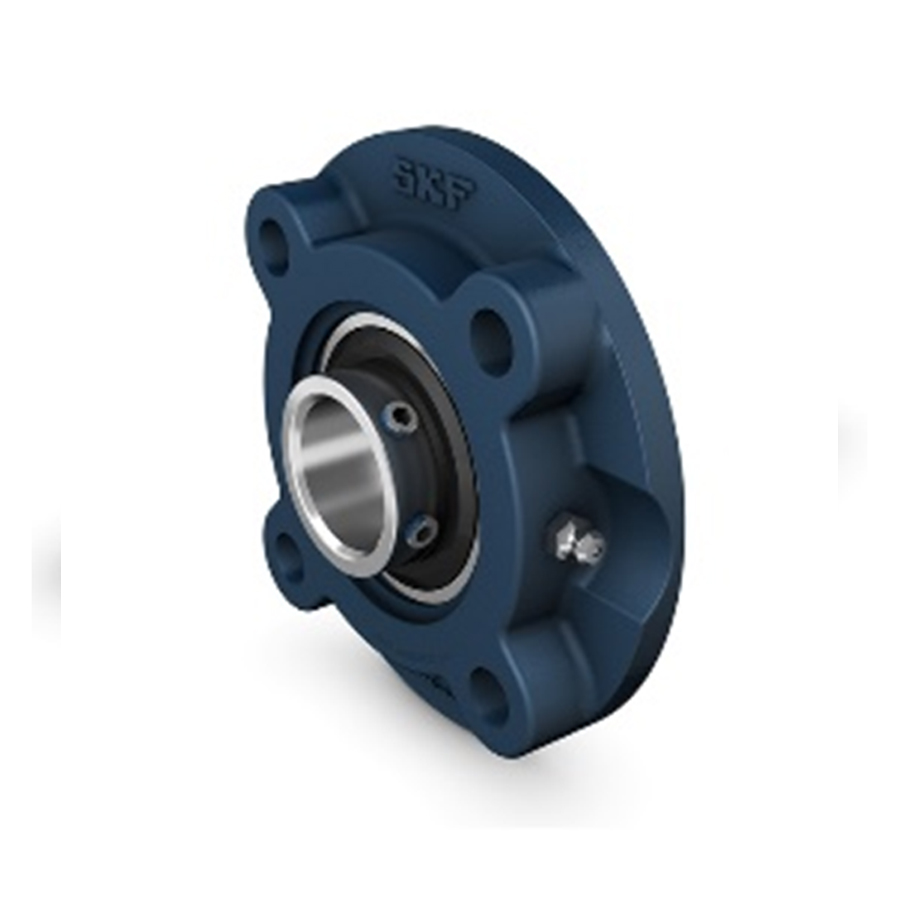
While the UCF is square and the UCFL is oval, the UCFC features a circular housing with four bolt holes and a distinct raised pilot (a circular “lip” or “boss”) on the backside of the flange.
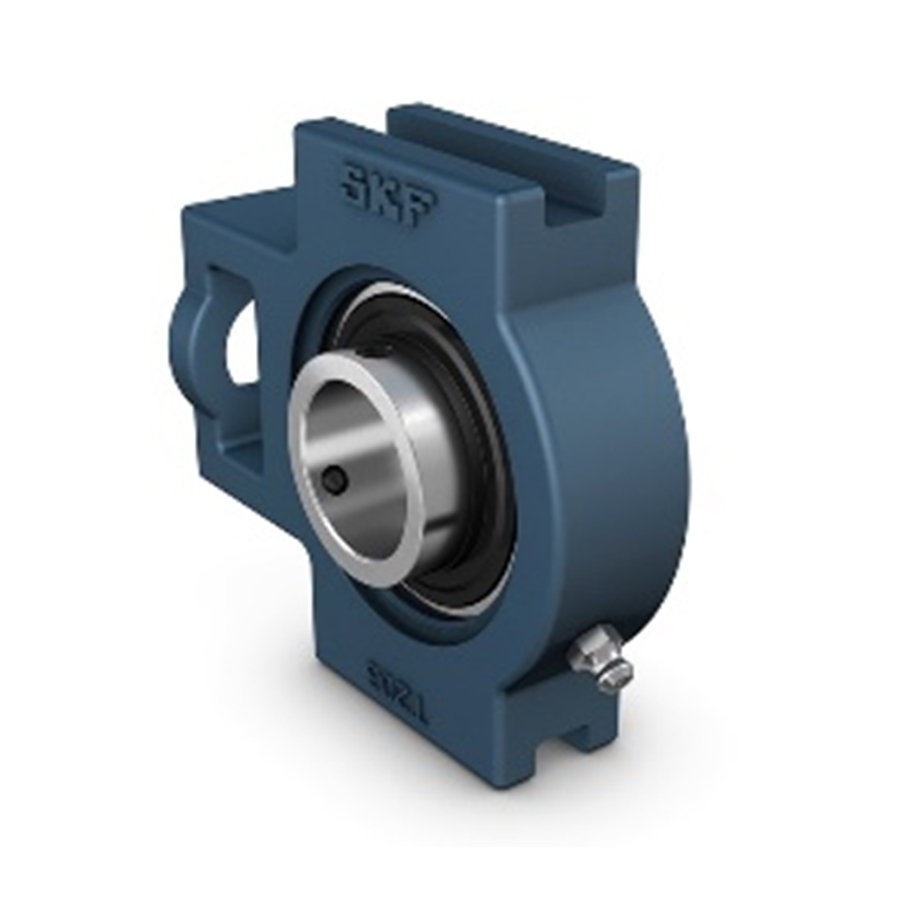
In the world of mechanical engineering, a UCT bearing (often called a Take-Up Unit) is a specific type of mounted bearing assembly.
Unlike a standard “pillow block” that stays in a fixed position, a UCT bearing is designed to slide along a track to adjust the tension of a shaft or a belt.
WhatsApp us